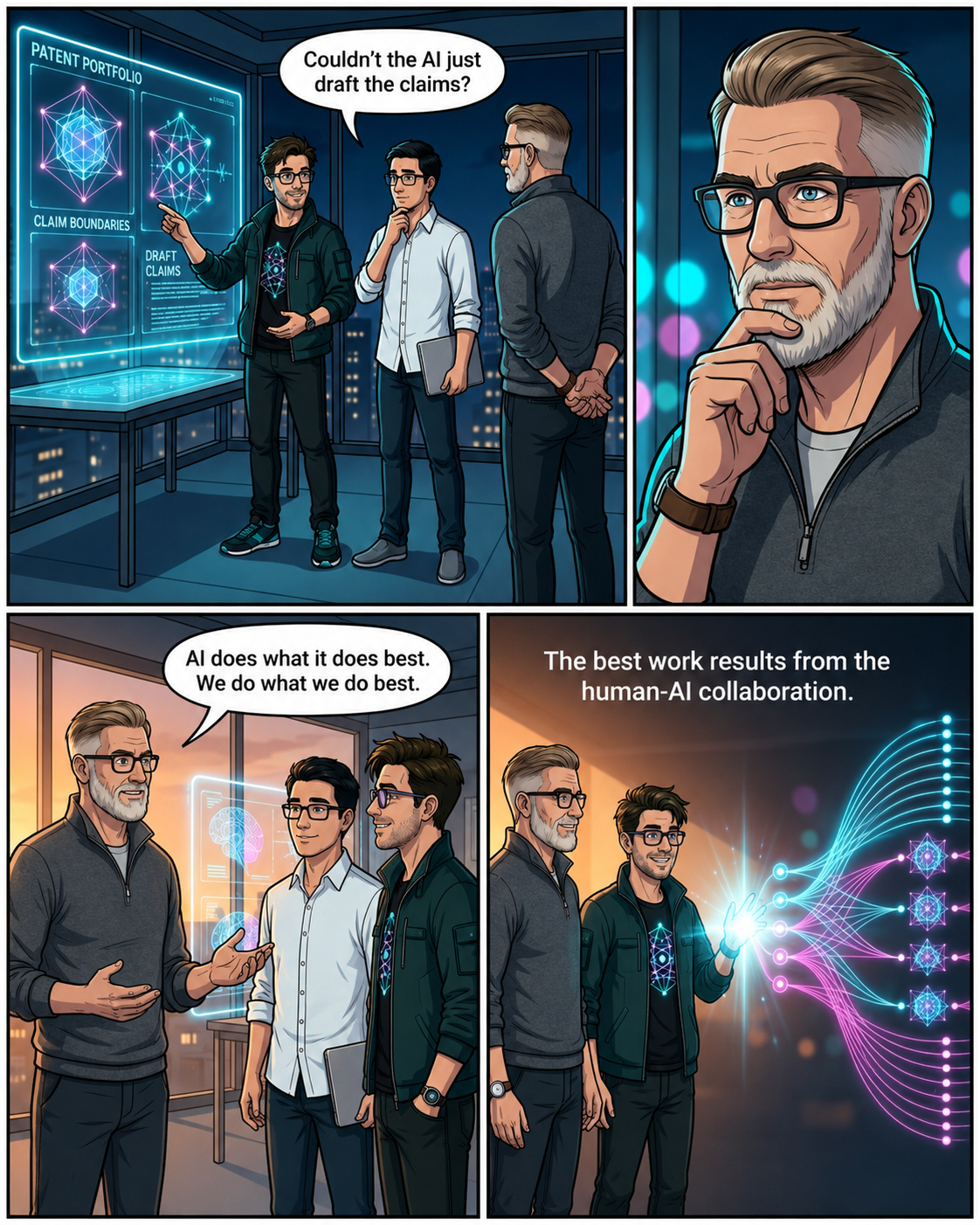
AI should do what AI does best, and humans should do what humans do best.
But the most valuable work often happens between them.
The Real Question Is Role Design
The serious question is not whether AI should replace professional judgment. It should not. Nor is the answer to avoid AI because it is imperfect. The better question is how an intelligent organization should divide work among machine capability, human judgment, and the collaborative space where each improves the other.
At TechNomos, that question sits at the center of AI-native legal practice.
AI is not one capability. Retrieval is different from summarization. Summarization is different from comparison. Comparison is different from drafting support. Drafting support is different from legal advice. Pattern detection is different from professional responsibility.
Treating all of these as simply “AI” obscures the real issue: matching the capability to the task.
Three Categories of AI Legal Work
Some work should be AI-accelerated: finding documents, organizing records, comparing versions, summarizing long files, extracting key dates, and preparing structured first passes from source material.
Some work should be AI-assisted: testing a theory, pressure-checking a draft, identifying inconsistencies, generating alternatives, or surfacing questions the lawyer may not have thought to ask.
And some work must remain attorney-led: claim architecture, prosecution strategy, portfolio allocation, continuation decisions, international filing strategy, client counseling, negotiation judgment, and final legal advice.
That is the operating model.
Why This Matters in Patent Practice
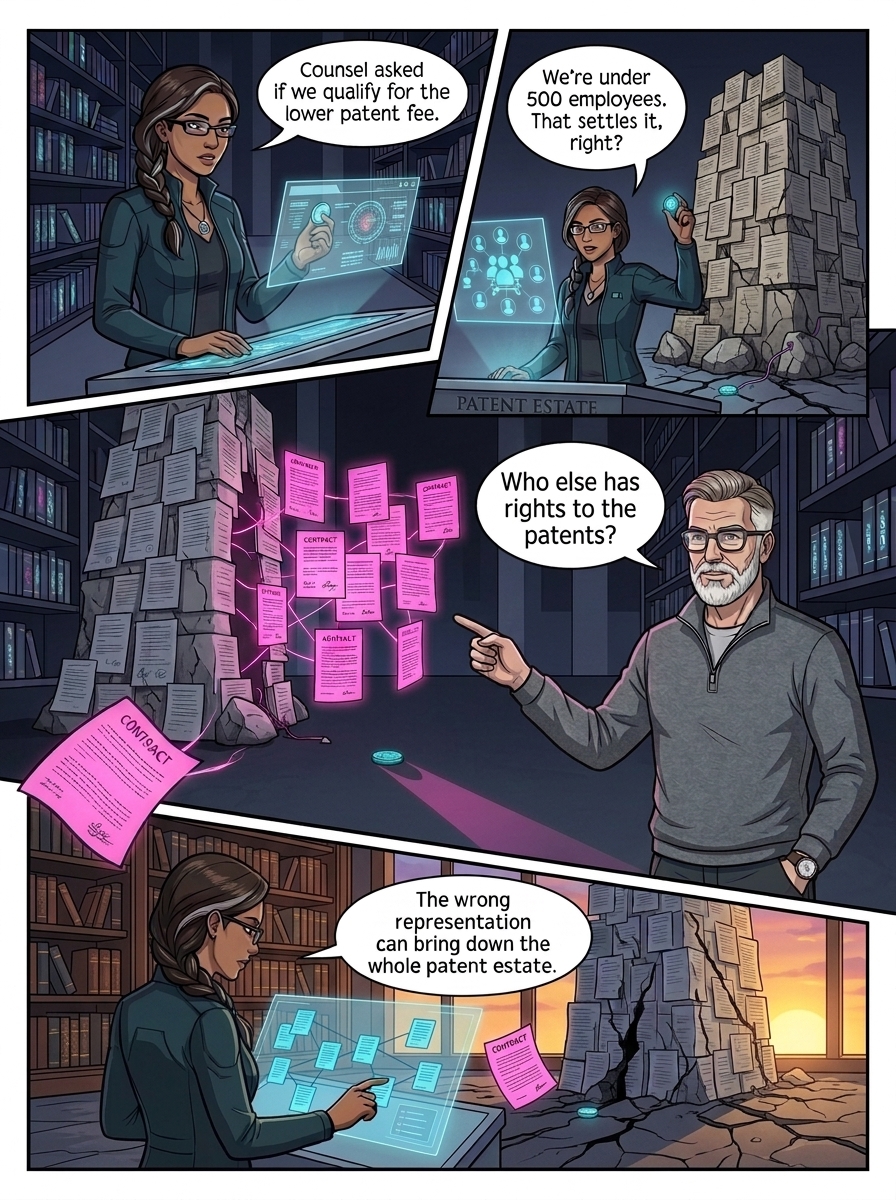
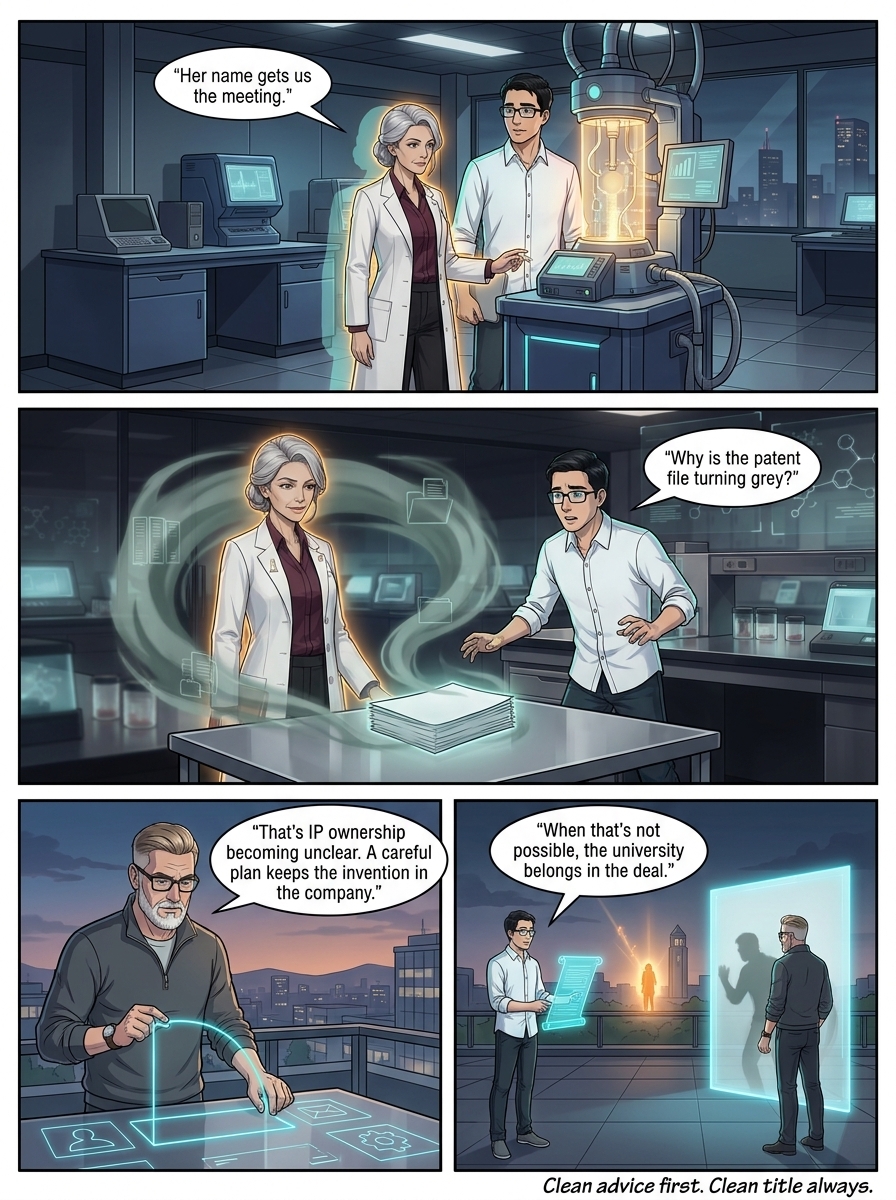
In patent and technology law, this matters because the relevant context is often scattered across invention disclosures, patent applications, prosecution histories, prior art, product roadmaps, agreements, technical papers, meeting notes, emails, and business plans. Much of the inefficiency in legal work comes from repeatedly reconstructing that context.
AI can reduce that drag. It can make the record easier to find, compare, test, and reuse.
But legal judgment is not merely producing a plausible answer. It is making an accountable choice under legal, ethical, and business consequences.
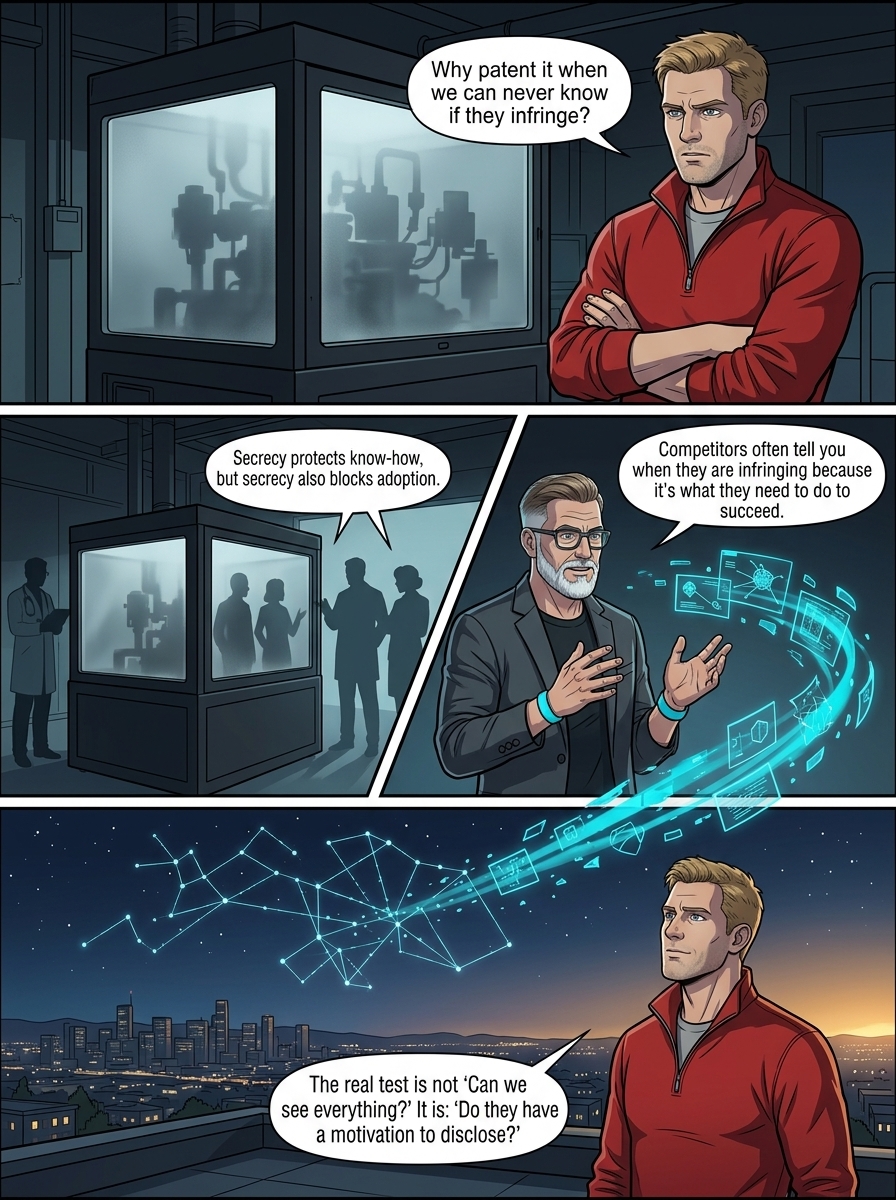
A patent lawyer does not merely need more information. The lawyer needs information organized around strategic questions. Which claim scope matters commercially? Which embodiments deserve protection? Which continuation should be preserved? Which argument risks narrowing the portfolio? Which filings support revenue, financing, partnerships, or exit value?
Those are judgment questions.
Collaboration, Not Automation
That is why the best AI work is often collaborative rather than automatic. AI can gather the record; the lawyer tests it against business objectives. AI can expose inconsistencies; the lawyer decides whether they matter. AI can generate candidate arguments; the lawyer determines whether they are legally sound, strategically useful, and consistent with the client’s broader position.
The point is not to move lawyers out of the loop. The point is to make the loop better.
Governance Makes Collaboration Work
Collaboration only works if the roles are explicit. AI-supported legal work should be source-grounded, verifiable, reviewable, and bounded by clear role definitions. AI output should be treated as working material, not legal advice. Candidate recommendations should show their sources, assumptions, and limits. Professional recommendations should be made only by the attorney responsible for the work.
This is where AI skepticism helps. Concerns about hallucinations, confidentiality, overreliance, shallow analysis, and confusing fluency with truth are not distractions. They are design requirements.
The answer is not to avoid AI. The answer is to build systems that assume AI is powerful but imperfect.
The Business Point
For technology companies, this matters because the legal function should not merely produce documents. It should help leadership make better decisions about risk, leverage, protection, and strategic investment.
AI can support that mission when it is used with discipline. It can create persistent portfolio intelligence instead of isolated matter files. It can make prior work easier to reuse. It can expose gaps and opportunities across more material than traditional workflows can comfortably hold in view.
But the standard does not change. The attorney remains responsible. The judgment remains human. The client’s business objectives remain the point.
AI should do what AI does best.
Humans should do what humans do best.
And the best legal organizations will redesign the work so they can do it together.